Lions Field

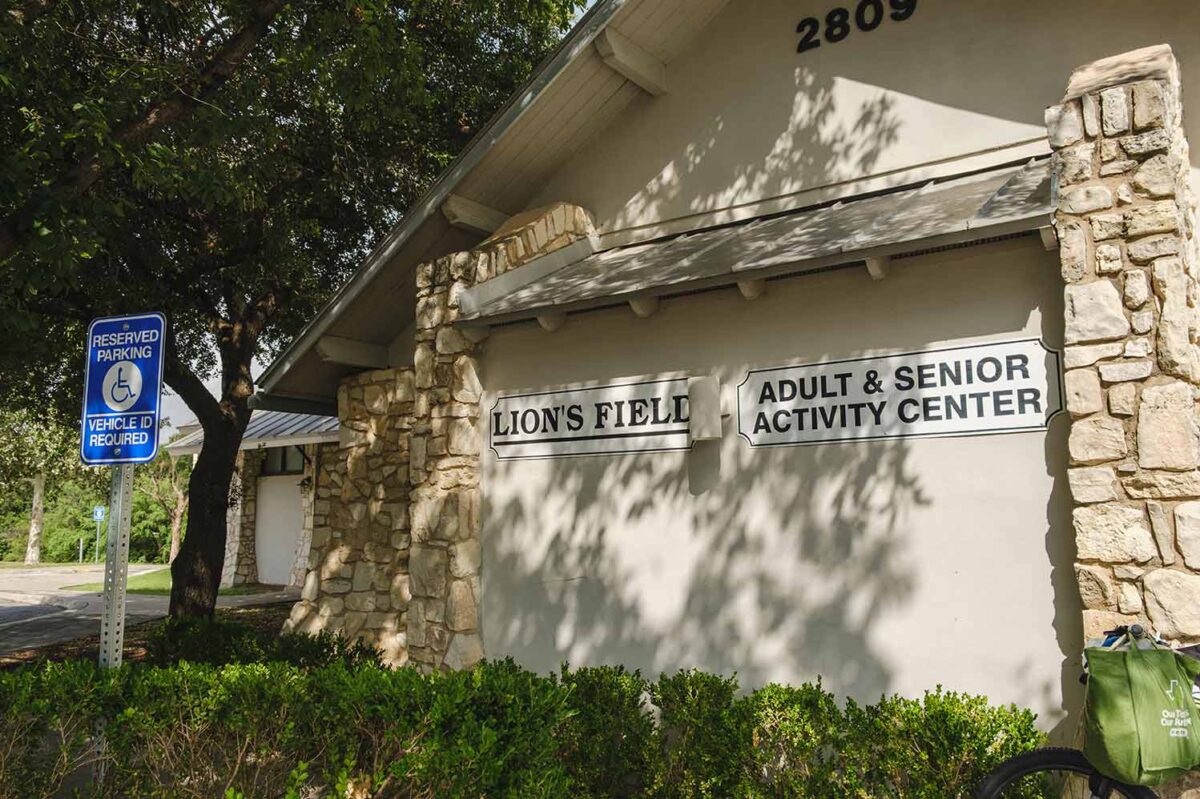
The land that is now Lions Field used to be a pasture for George W. Brackenridge’s collection of exotic animals, including buffalo and elk! In 1906, Brackenridge sold the property, and it stayed in private hands until 1916, when the City took it over. It stayed undeveloped until 1923, when the Lions Club of San Antonio, the largest Lions Club in the world, chose this spot to build a playground as a gift to the city.

The iconic landmark at Lions Field is a life-sized lion sculpture sitting on a stone pedestal. This incredible lion, designed and carved by Louis Rodriguez, stands 8 feet tall and is 14 feet long, made from beautiful Italian marble. It’s been a landmark on Broadway since 1925! Sadly, the lion was knocked off its pedestal and lost its legs and tail when a tree fell on it during the July 2002 floods. But after being gone for six months, it was restored by Lupe Rodriguez (Louis’ nephew), and now it’s back where it belongs. Lions Field continues to be an active spot for recreation, bringing history and fun together!
The Polo Field/Golf Driving Range

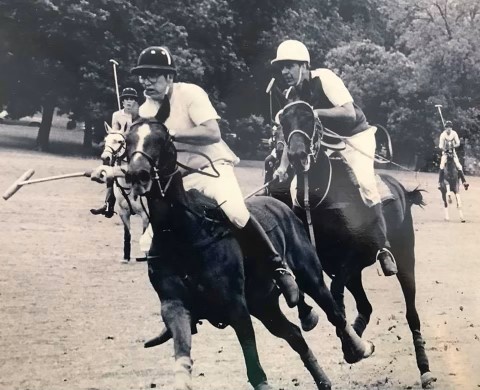
The largest open space in the park is located east of St. Mary’s Street, right across from the Japanese Tea Garden, Sunken Garden Theater, and Tuesday Musical Club. This area was used for polo matches from the early 1920s all the way through the 1980s. In 1952, the space started being shared with a golf driving range, and that’s still the case today!

At the south end of the driving range near Mulberry Avenue, there’s a clubhouse made of limestone and concrete masonry that was built in 2008. It serves as the headquarters for First Tee, a program that teaches golf to inner-city kids, giving them a chance to learn the game and have fun!

Sheriff’s Mounted Posse Building

North of Mulberry Avenue and west of the Polo Field, you’ll find a simple one-story building made of hollow clay tile. It’s not painted or plastered, and it has metal windows with no fancy architectural details. This building was once used by the Bexar County Sheriff’s Mounted Posse, who kept their stable and tack room in Brackenridge Park from 1949 until around 1961. It actually replaced an earlier structure that burned down in 1951. Today, the building is part of the driving range and is used to repair golf clubs. It might not look like much, but it has some pretty cool history!

Kampmann House

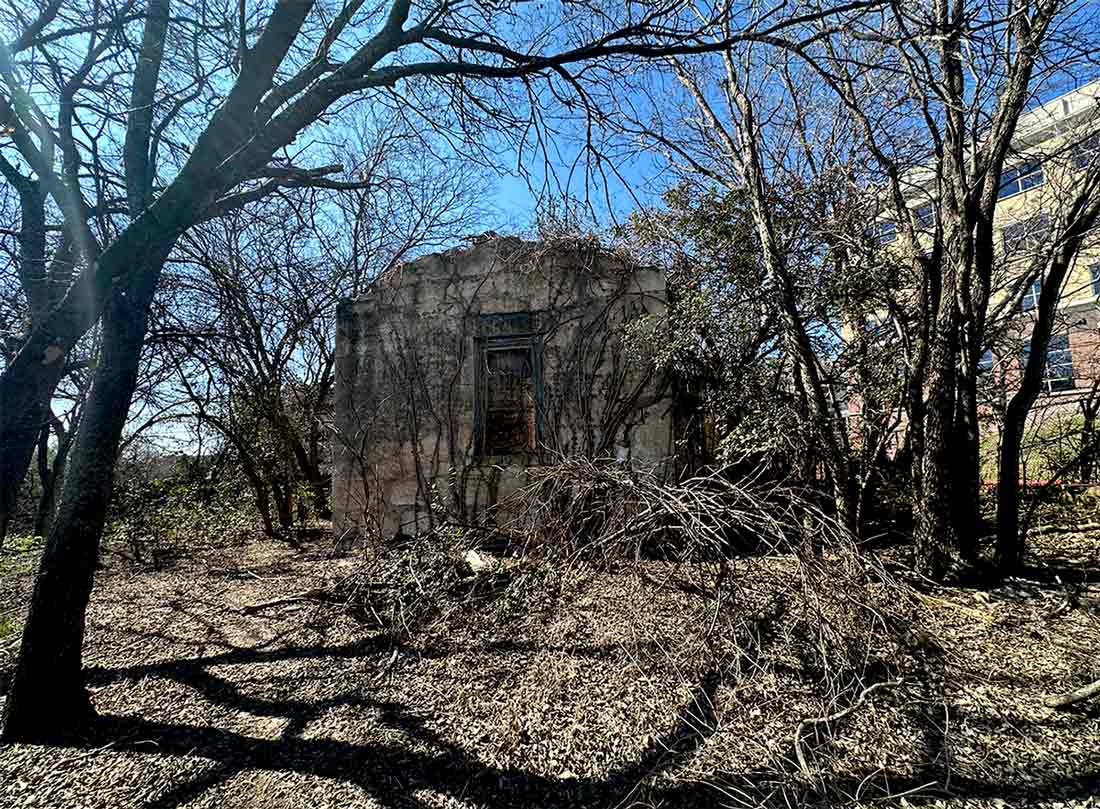
Hidden in an overgrown area near the southwest corner of the park, just south of the Tuesday Musical Club, you’ll find the ruins of the Kampmann House. This house was probably built by J.H. Kampmann, who was involved in quarry operations nearby. The ruins are a cool, mysterious reminder of the past, tucked away in nature, giving you a glimpse into the history of the area!

The Tuesday Musical Club

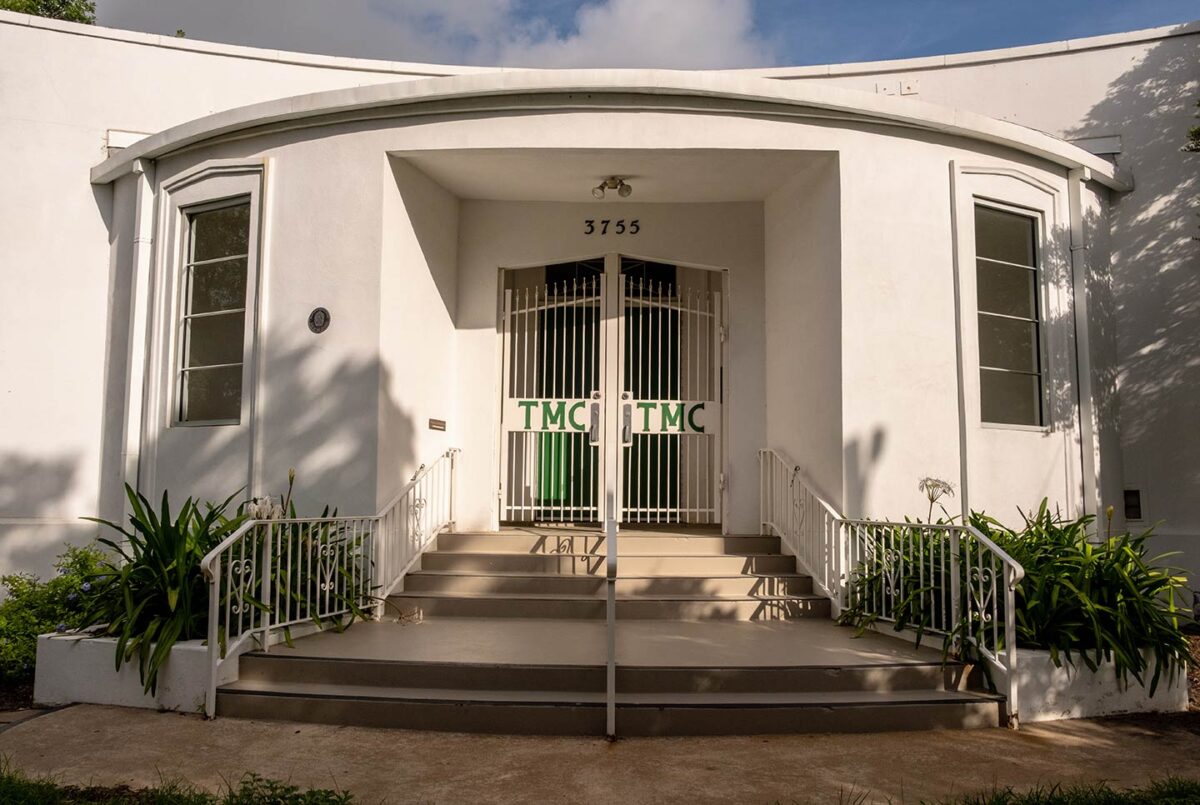
Just south of the Sunken Garden Theater, you’ll find the Tuesday Musical Club, also called the Anna Hertzberg Memorial Music Center. This place has some serious history—it was founded in 1901 by Anna Hertzberg (wife of Eli Hertzberg) and was built as a spot for musical performances. The building itself is a unique, rectangular structure with a curved entry portico and a one-and-a-half-story auditorium and stage.

Designed by Atlee B. Ayres and Robert M. Ayres, the auditorium can hold up to 300 people. The building has a clean, simple look with multi-pane metal windows, cast concrete hood moldings over the doors, and busts of three musicians (whose identities remain a mystery) set high on the north and south sides. Concrete stairs lead into the building from all directions, making it easy to access and giving it a grand, welcoming feel. This spot is a blend of great music history and cool architectural design!

Davis (Allison) Park

This 10-acre park is a quiet spot tucked between Mulberry Avenue to the north, the San Antonio River to the east, private property to the west, and Huisache Avenue to the south. It’s filled with trees but has no standing buildings, giving it a peaceful, open feel. Along Mulberry Avenue, you’ll find an old cedar post fence that marks a historic horse trail, which used to lead to a stable on the park’s west side. The stable, which was on private property, closed and was torn down in the late 1990s.

Avenue A at Woodlawn Low Water Crossing

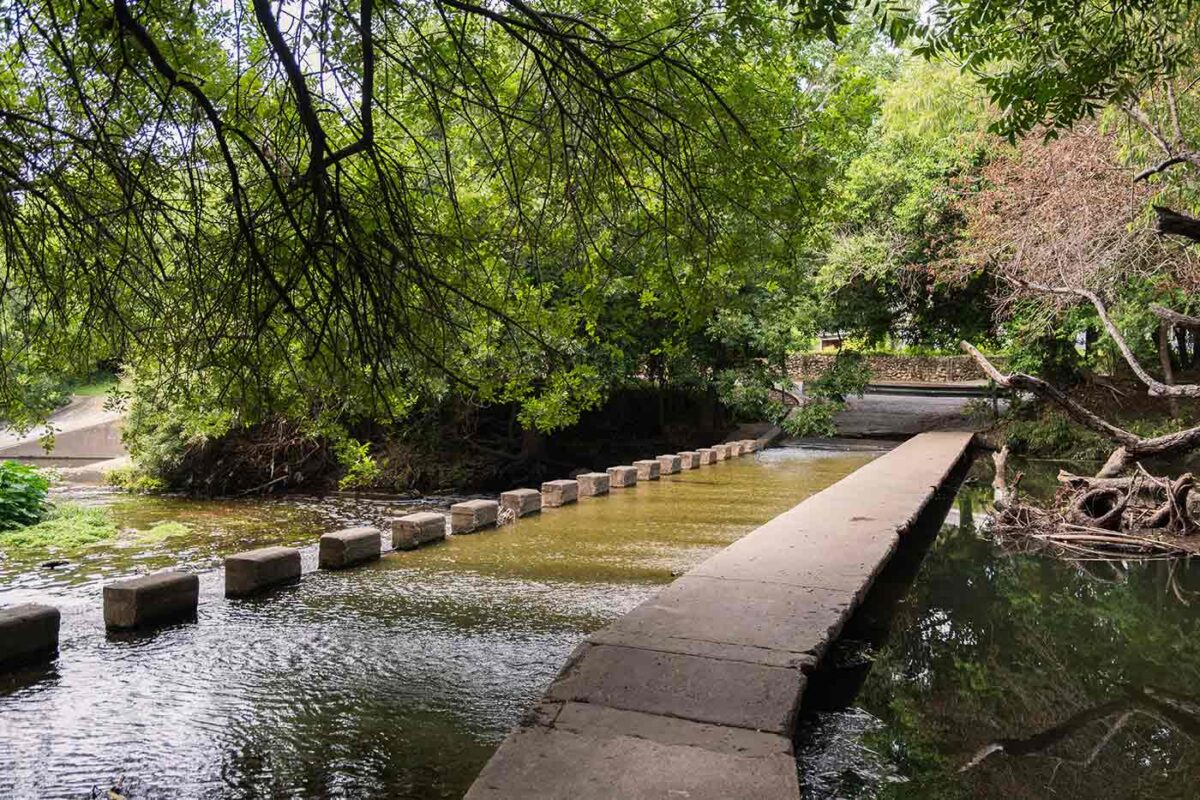
Avenue A runs south from Mulberry Avenue, winding between the golf course and the river’s east bank. Back in the day, it used to stretch further east through the golf course and connect to River Road (which used to be called Memorial Drive) on the west side of the river, with a low water crossing at Woodlawn Avenue. But in the late 1960s, the road was closed through the golf course, and now it ends right at the river.

Even though the old river crossing was shut down years ago, the concrete structure is still standing strong! Today, it’s a favorite spot for pedestrians and fishermen. If you look closely, you can find a faint stamp in the concrete that reads, “NYA 1939,” a reminder of the people who built it during the New Deal era.

Electric Pump Station #2

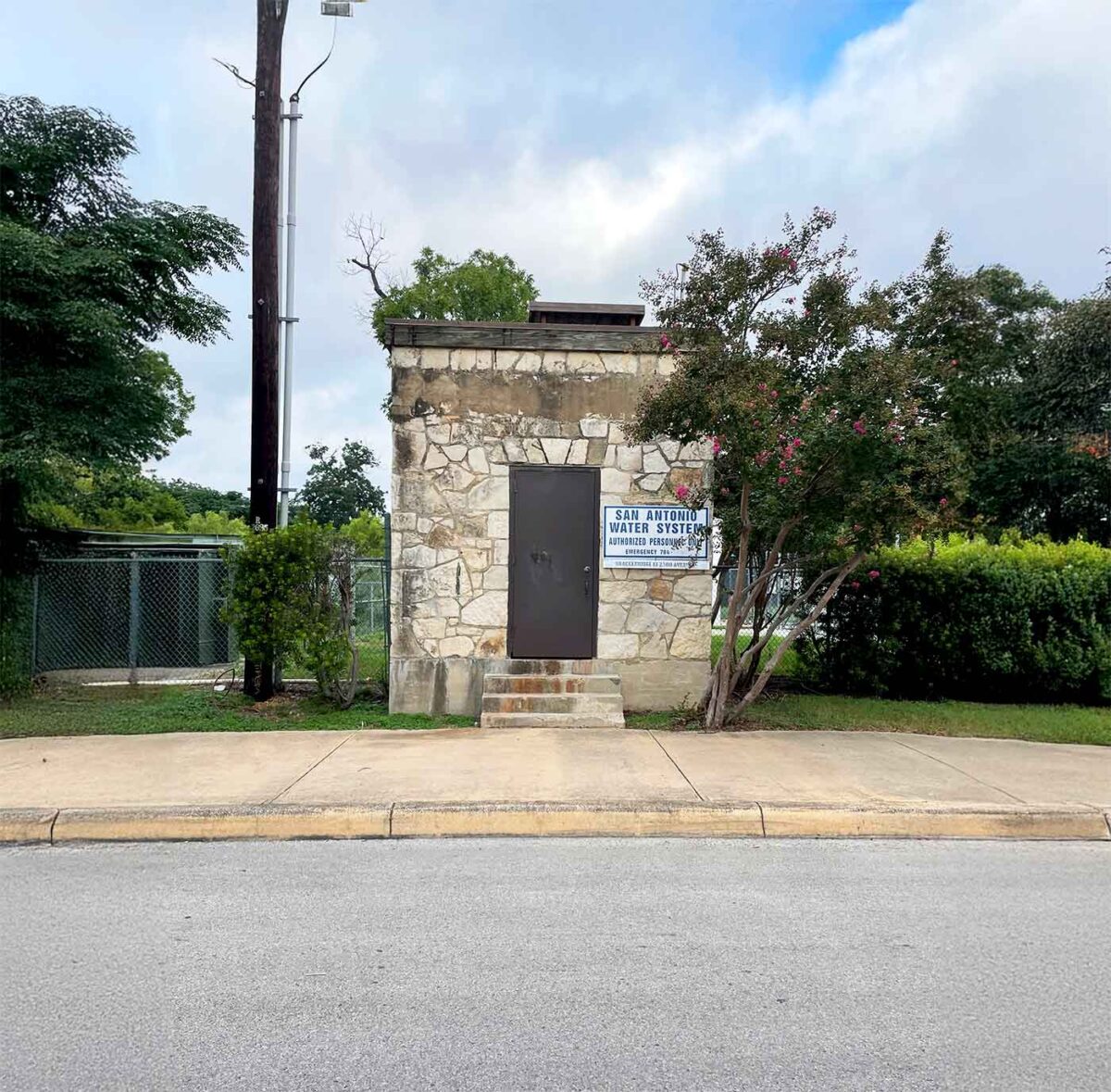
Just a short walk south of the pump house along Avenue B, you’ll find a small, square stone building that looks a bit mysterious. This little structure is believed to have housed an electrically powered pump, much like Electric Pump Station #3, which sits just north of the upper pump house. The building has metal casement windows on two sides and a flat roof, giving it a simple but solid look.

If you look closely, there’s a plaque on the building that reads: “City Water Board, Brackenridge Park Electric Station #2, January 1939,” and lists the names of some key figures like Conrad A. Goeth (Chair), Lamar G. Seeligson, and James A. Gallagher, as well as the Mayor, C.K. Quin. It’s a quiet reminder of the park’s history and the people who helped shape it!

Lower Pump House

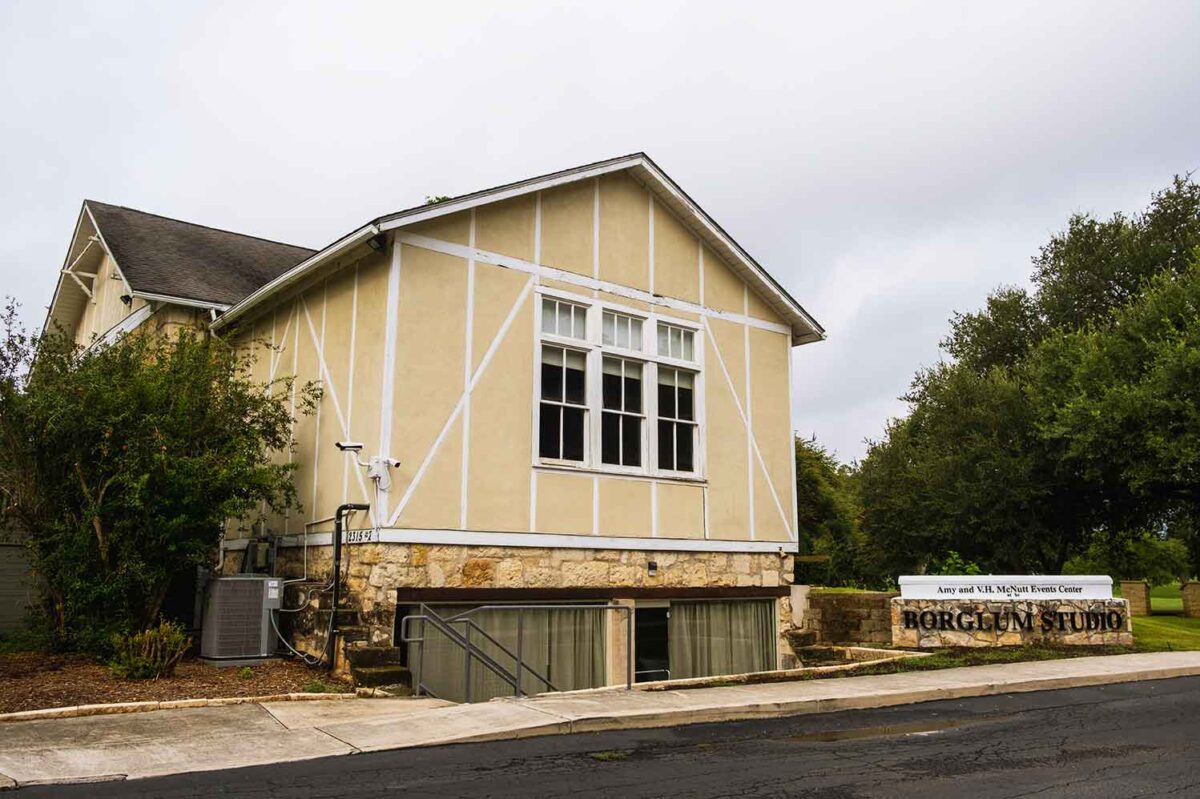
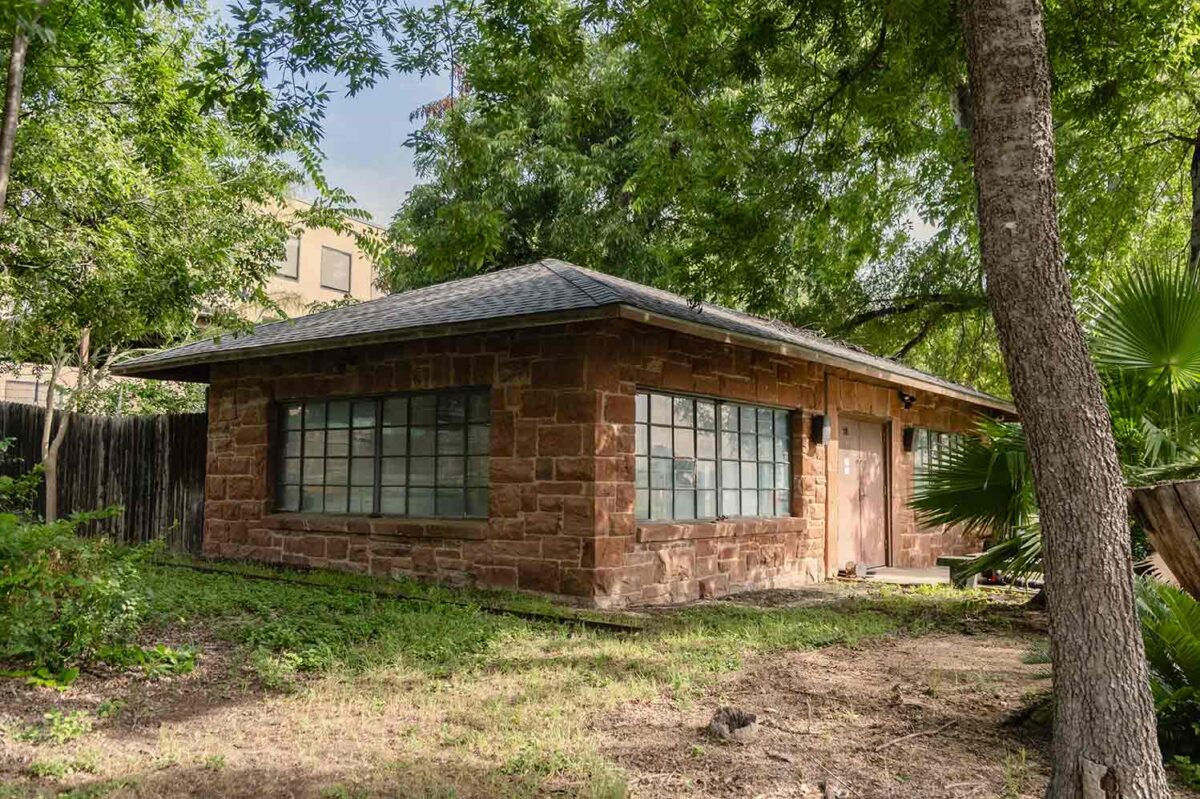
The Lower Pump House, also known as the Borglum Studio, is a super cool piece of history! This building was used by Gutzon Borglum, the sculptor who designed Mount Rushmore. It was originally built during the expansion of the city’s water system, powered by water that flowed from the river about a mile away through a long, earthen raceway. The building itself is made of ashlar limestone and wood framing, and it sits just southeast of the golf clubhouse, right on the edge of an old river channel.

While the raceway was filled in years ago, you can still see parts of it today. If you head over to Mulberry Avenue, you can spot old rubble stone wing walls on the south side of the street, and a depression in the ground where the channel used to run through the golf course. You can even see big pipes sticking out of the building’s basement—those were part of the original pumping system!

Later on, when the pump house was repurposed for other uses, they built a frame addition at the north end, but the stone base remains intact, and you can still find remnants of the old pipes in both the upper and lower levels.

Brackenridge Golf Course and Clubhouse

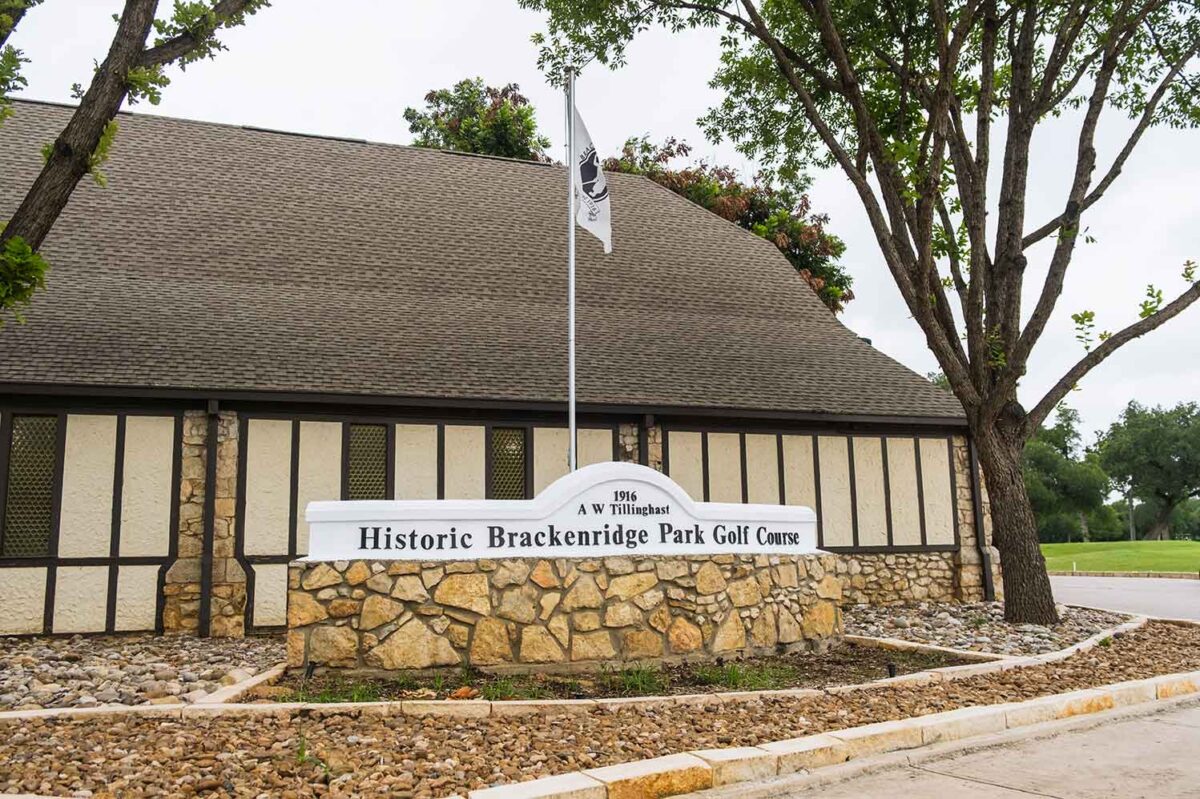
Brackenridge Golf Course is not just any golf course—it’s a piece of history! Designed by famous golf course architect A.W. Tillinghast from Philadelphia, the 18-hole course opened in 1916. The course was built in a beautiful, wooded area filled with native trees, stretching across both sides of the river and the waterworks channel that ran right through it. Back in the day, footbridges connected different parts of the course over the water.

While the course has been remodeled a few times (especially in the late 1960s when US Highway 281 cut through the park), Tillinghast’s original design still stands strong. Two holes were altered over the years, but in 2008, a major renovation brought the course back as close to the original design as possible. Three stone bridges, probably built by NYA workers, still cross the old waterworks channel and the river, adding to the historic feel of the course.

The clubhouse is another gem, designed in 1923 by local architect Ralph Cameron in a charming Tudor style with rubble stone, concrete, and wood. The main entrance features an arched doorway with a fanlight above, and the west side of the building has a tall chimney and a rounded tower with a cool conical roof. At the top of the tower, you’ll spot the original weathervane—and it’s not just any weathervane, but one shaped like a golfer!