Sunken Garden Theater

Step into history at the Sunken Garden Theater, one of San Antonio’s most iconic outdoor venues! Nestled in the heart of Brackenridge Park, this stunning open-air amphitheater was built in the 1930s and has been entertaining audiences ever since. Originally a rock quarry, it was transformed into a beautiful, sunken oasis that has hosted performances under the stars for nearly a century. You’ll enjoy its impressive stone walls, lush surroundings, and scenic views that have been home to unforgettable performances from the San Antonio Symphony, local theater groups, national acts, Broadway-style musicals, concerts and cultural performances. 

Here are some cool features to look for. The entrance has an interesting three-part structure. The centerpiece is an iron archway sitting on a sturdy stone base, with the words “Sunken Garden Theater” proudly displayed. The base is designed in a style called Art Moderne, with lighted side pieces and a decorative central panel that reads, “A memorial to the heroes of the Texas Revolution, 1836-1936.” But interestingly, instead of showing scenes from the revolution, the panel features a trail drivers camp, which might be linked to the Old Trail Drivers Memorial Association getting involved with Texas Centennial celebrations. On one of the side panels, there’s a bronze plaque honoring the San Antonio Civic Opera Company, which operated from 1926 to 1951. The theater itself was first built in 1930, and expanded in 1937 with funding from the Texas Centennial. The designs were by Harvey P. Smith and later, George Willis and Charles T. Boelhauwe. The theater is pretty unique because its back wall is made from the old quarry rock, giving it a natural open-air setting with amazing acoustics!

Over the years, the Sunken Garden Theater has seen some big changes. The original theater had a stage and classic wings, while the 1937 expansion added dressing rooms, support buildings, bathrooms, seating, and a concrete floor. This project was completed by WPA workers, while NYA workers built the concession area a little later. There are still two Art Moderne-style ticket booths at the north and south entrances that are in great condition, and a stone bathroom structure made of random-course limestone that likely dates back to the same era. Today, the Sunken Garden Theater is recognized as a Texas State Archaeological Landmark, making it a spot where history and nature come together!
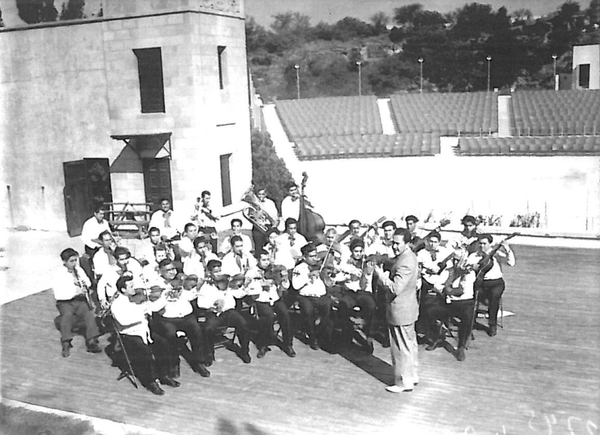
Today, the theater continues to be a lively spot for entertainment and community events. You can catch everything from live concerts and outdoor movies to theatrical performances and festivals. 
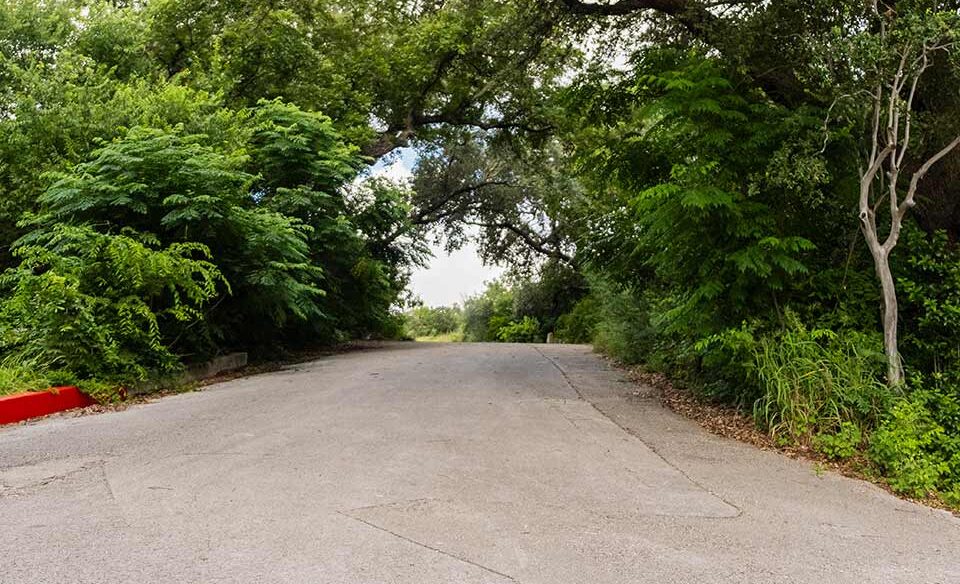
Alpine Drive

Alpine Drive takes you on an awesome journey starting from Tuleta Drive near the zoo entrance, climbing up a steep incline along the old quarry wall above the Japanese Tea Garden. This road was originally made to give people a stunning view of the Tea Garden and the nearby Sunken Garden Theater. The drive eventually slopes down to meet North St. Mary’s Street just south of the theater. Along the way, you’ll find cool stacked stone pylons with lights—though many of them are in bad shape today, some still stand as a reminder of the past. The area above the Tea Garden and Theater was preserved and rebuilt as part of the US Highway 281 plan, but today, Alpine Drive is closed to cars. It’s a scenic spot that’s all about walking and soaking in the views!

Mexican Village

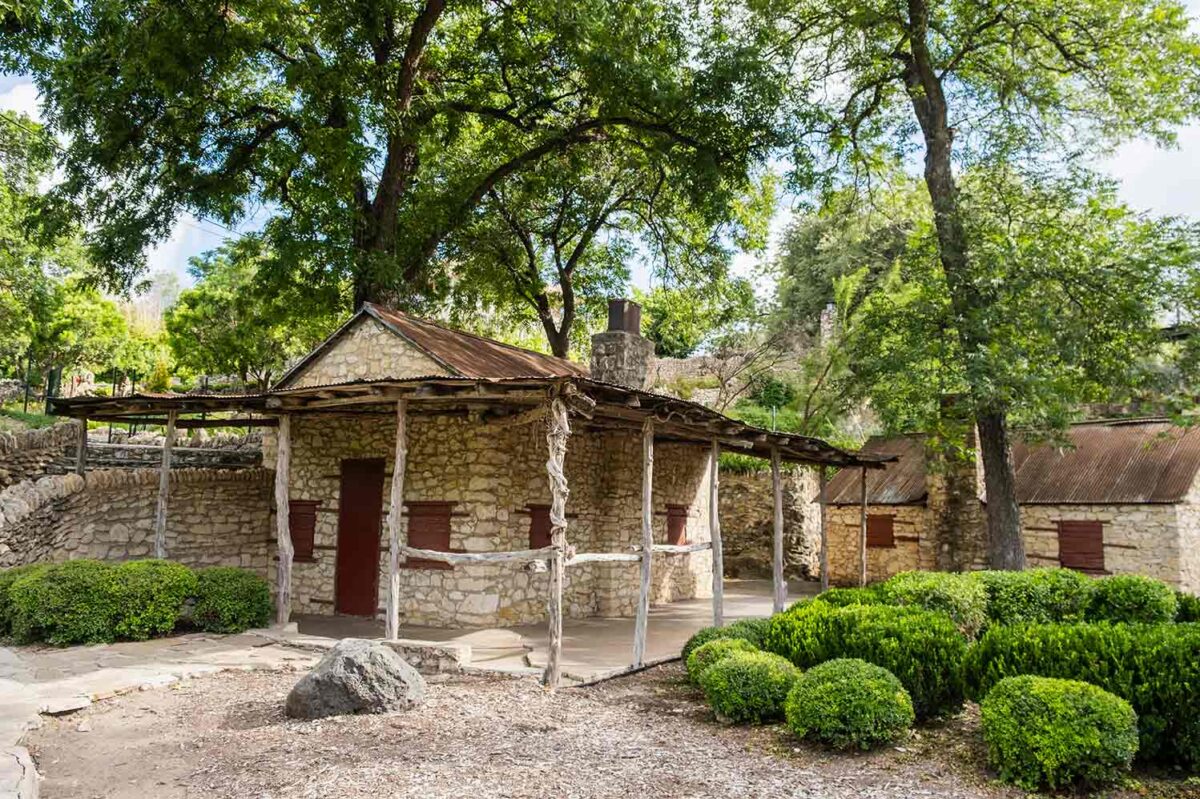
The Mexican Village sits between St. Mary’s Street and the entrance to the Japanese Tea Garden, and it’s got some cool history behind it! The village has four small stone buildings that were originally built to sell food and crafts to visitors of the garden and park. One of these buildings might even date back to the days of the old cement company, possibly serving as a model for the others. Over time, the buildings were turned into artists’ studios, but they’ve been empty for many years now. Even though they’re no longer in use, they still add a unique charm to the area!

Japanese Tea Garden

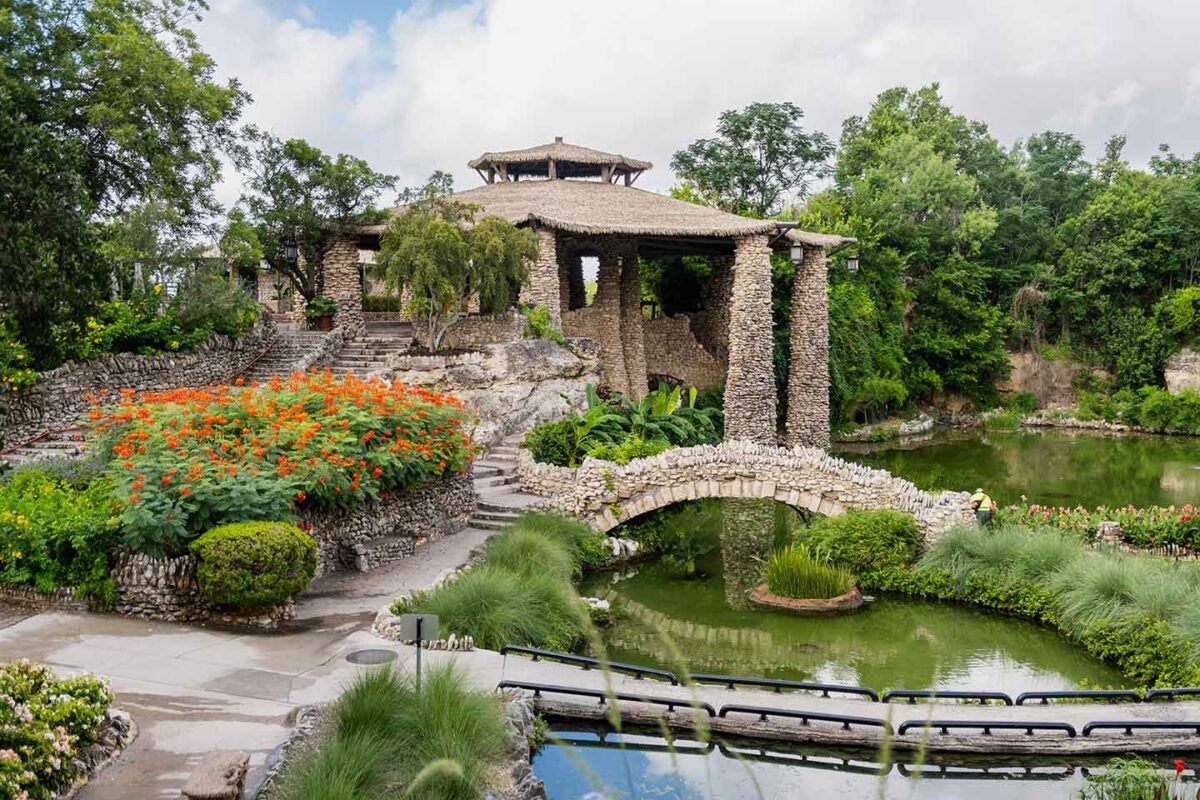
One of Brackenridge Park’s most famed sites is the Japanese Tea Garden. Originally built in the early 1900s as a rock quarry, the garden was established in 1918 with the help of Japanese artisans and landscape architect Kimi Eizo Jingu. Its design reflects traditional Japanese aesthetics, featuring lush landscaping, a waterfall, pagoda, koi-filled ponds, and peaceful walking paths. 

Here are some cool features to look for. One of its entrances was crafted by Dionicio Rodriguez in 1942. The gate, with its archway reading “Entrance to Chinese Tea Garden,” was part of the garden’s name change during World War II. The gate’s posts are decorated with calligraphy that translates to “China Garden,” and faux bois (fake wood) railings add a rustic touch. You’ll also spot old brick kilns and a smokestack that are all that’s left from a quarry operation that ran here from 1880 to 1908, making lime and Portland cement. These historic structures were incorporated into the stunning water garden that Parks Commissioner Lambert created in the old quarry pit. 

Over the years, the garden has become a beloved spot for relaxation, reflection, and photography.  It was recently restored thanks to efforts from the San Antonio Parks Foundation. Today, the Japanese Tea Garden remains a living legacy of cultural exchange and artistic design. 

Bathroom Buildings

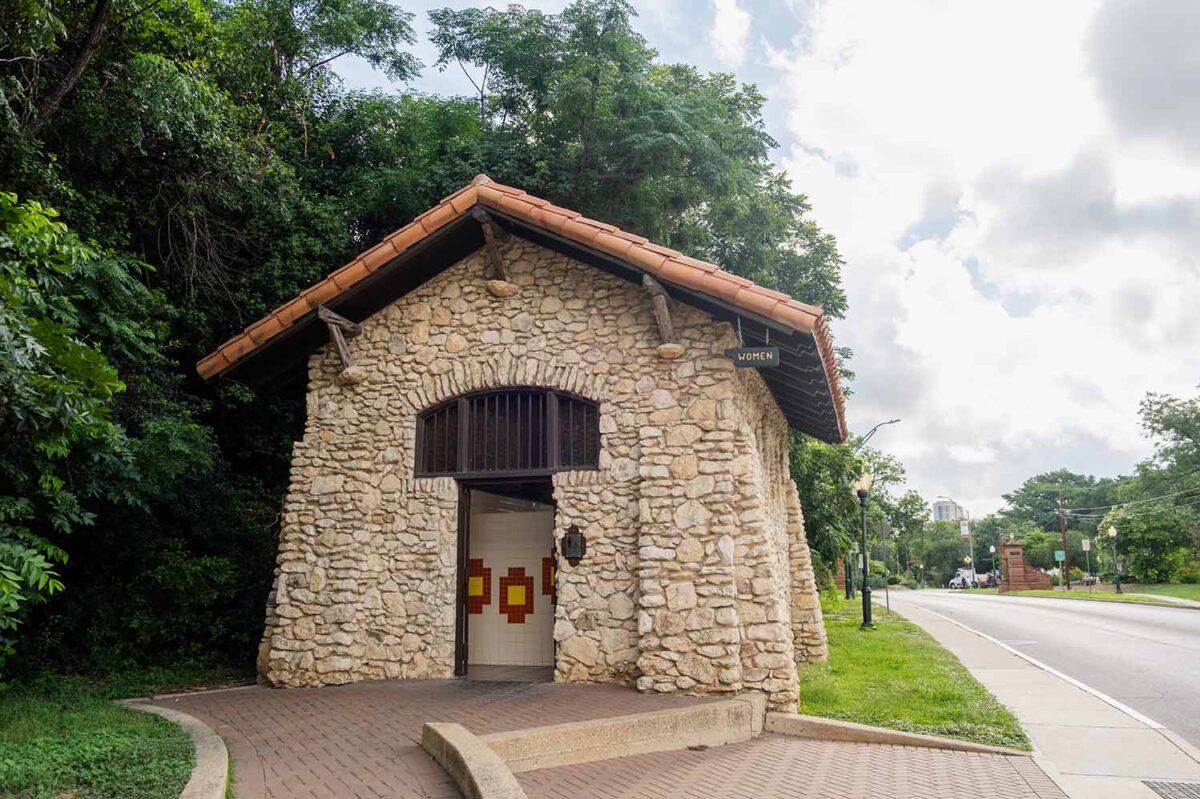
Even our bathrooms have a story! Just south of the Koehler Park entrance on St. Mary’s Street, you’ll find two cool restroom buildings made from rough rubble stone and topped with sleek metal roofs. Originally, these buildings probably had green clay tile roofs, but they’ve changed over time. Built around 1920 when Lambert was the Parks commissioner, they have a design that’s very similar to other structures in the park, and many think they were created by the famous architect Will Noonan. What’s really interesting is that nearly identical buildings can also be found at Woodlawn Lake Park, which was built around the same time!

Koehler Park

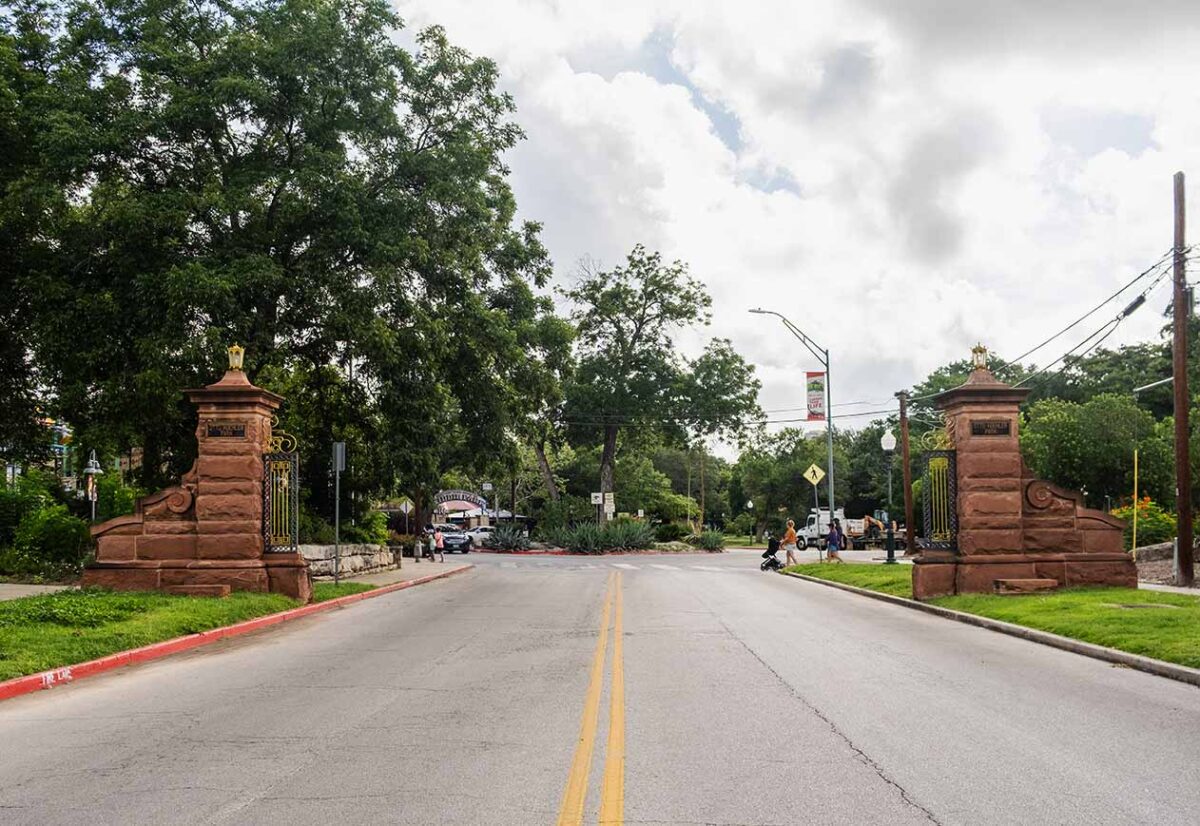
This 14-acre park was donated in 1915 by Emma Koehler—widow of Otto Koehler, former Pearl Brewing partner. Nestled along the San Antonio River, it features open lawns, mature trees, and picnic areas. The park’s entry gates date from around 1930. Koehler Pavilion, a stone-and-wood pavilion, built 1935–1937 by the WPA overlooks the river and continues to host events today.

Low Water Crossing

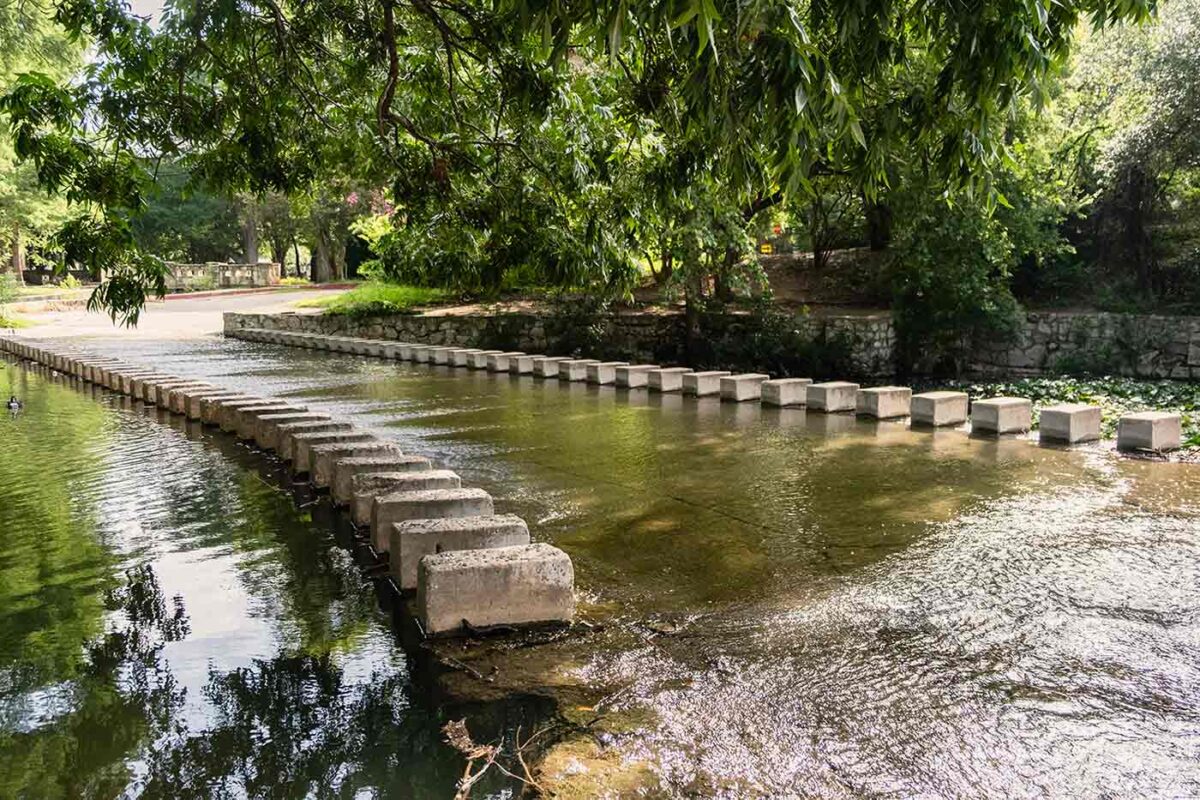
Tuleta Drive is home to a cool, historic low water crossing over the San Antonio River that’s been a favorite spot for visitors for over 100 years! Built around 1917, this crossing is a unique spot where water flows smoothly over concrete and stone, making it a fun and picturesque part of the park. It was originally built to connect Koehler Park and Brackenridge Park.

Perimeter Wall and Entry Gates

The low limestone perimeter wall that separates Broadway from the Witte and Pioneer Hall was built during 1936-1937. The wall was built by Witte museum and Works Projects Administration (WPA) workers. A stone bench is built into the wall, presumably to provide seating for bus patrons. The wall stretches from Tuleta Drive all the way to the northeast corner of the park property. 

Witte Museum

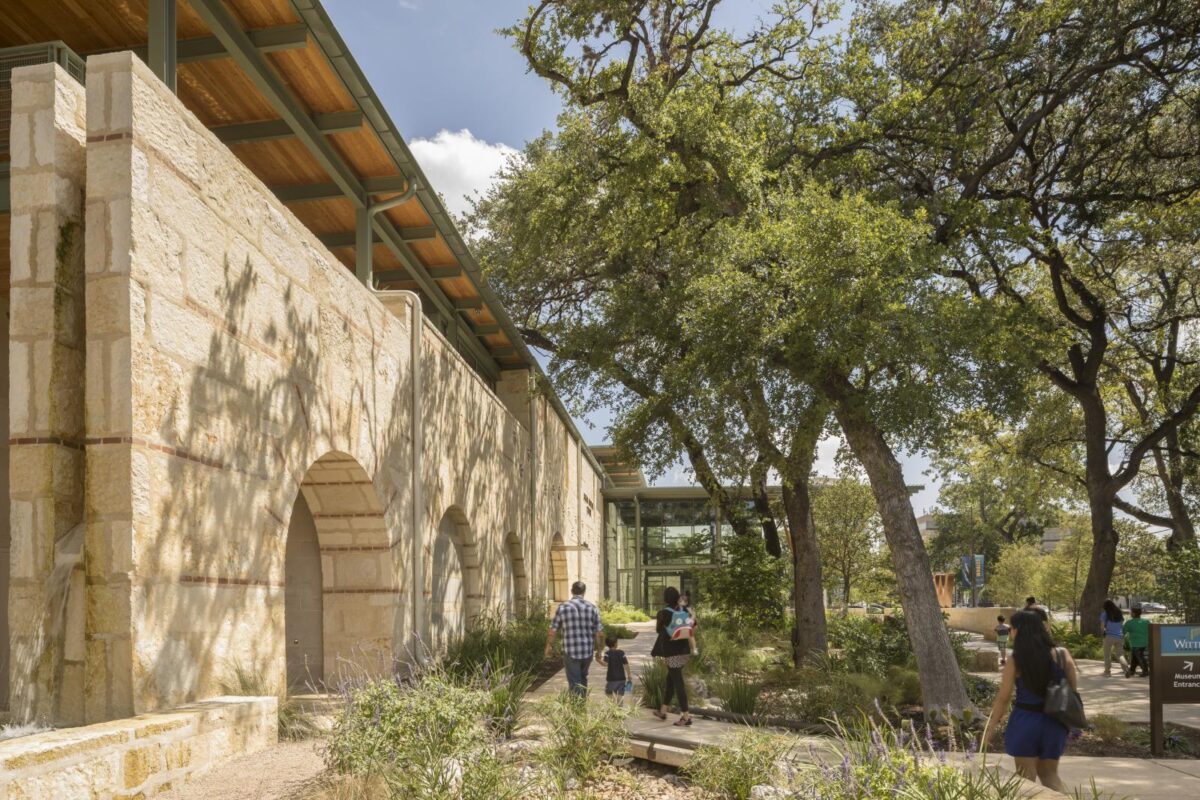
The Witte Museum was the city’s first public museum! It was built in 1908, constructed with a bequest from local businessman Alfred G. Witte, and named for his parents. The original museum building, designed by Atlee B. Ayres and Robert M. Ayres, was completed in 1926. The museum has been expanded and remodeled several times since 1926. Three historic structures stand behind the museum near the river=> the Francisco Ruiz House (c. 1760; relocated 1943); the Celso Navarro House (c. 1835; relocated 1947); and the John Twohig House (c. 1841; relocated 1942). These buildings, originally located in downtown San Antonio, were preserved from demolition and relocated to the museum grounds in the 1940s through the efforts of local preservationists.

Pioneer Hall

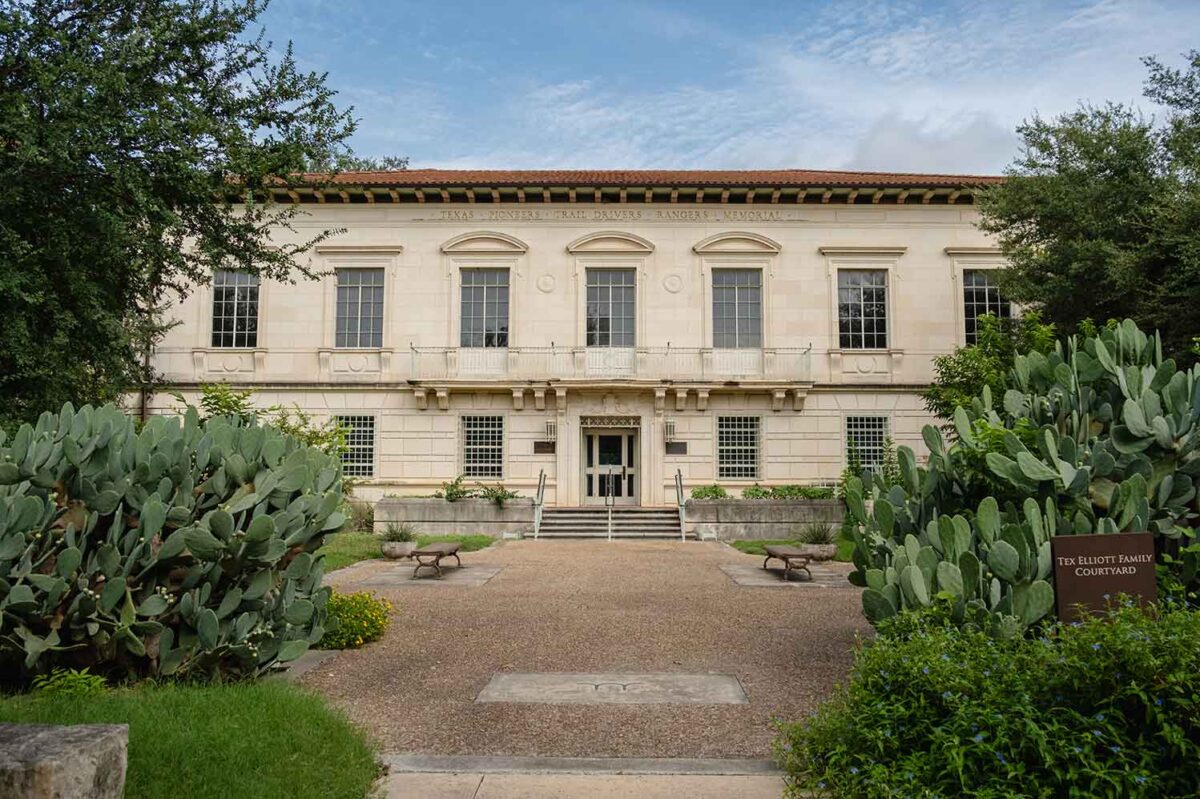
Pioneer Hall is sited immediately north of the Witte Museum. It is designated a Texas State Archaeological Landmark! This is because it was one of two projects in the park constructed with federal funds allocated to celebrate the Texas centennial; the second was Sunken Garden Theater (see No. 36). The Mediterranean‐influenced limestone building with red tile roof was designed by the architectural firms of Phelps & Dewees and Ayres & Ayres. It was constructed as a memorial to the state’s pioneers, trail drivers, and rangers.